





Physician-Led, Comprehensive Surrogacy and Egg Donation
Adenomyosis and Fertility: Can You Still Get Pregnant With IVF?
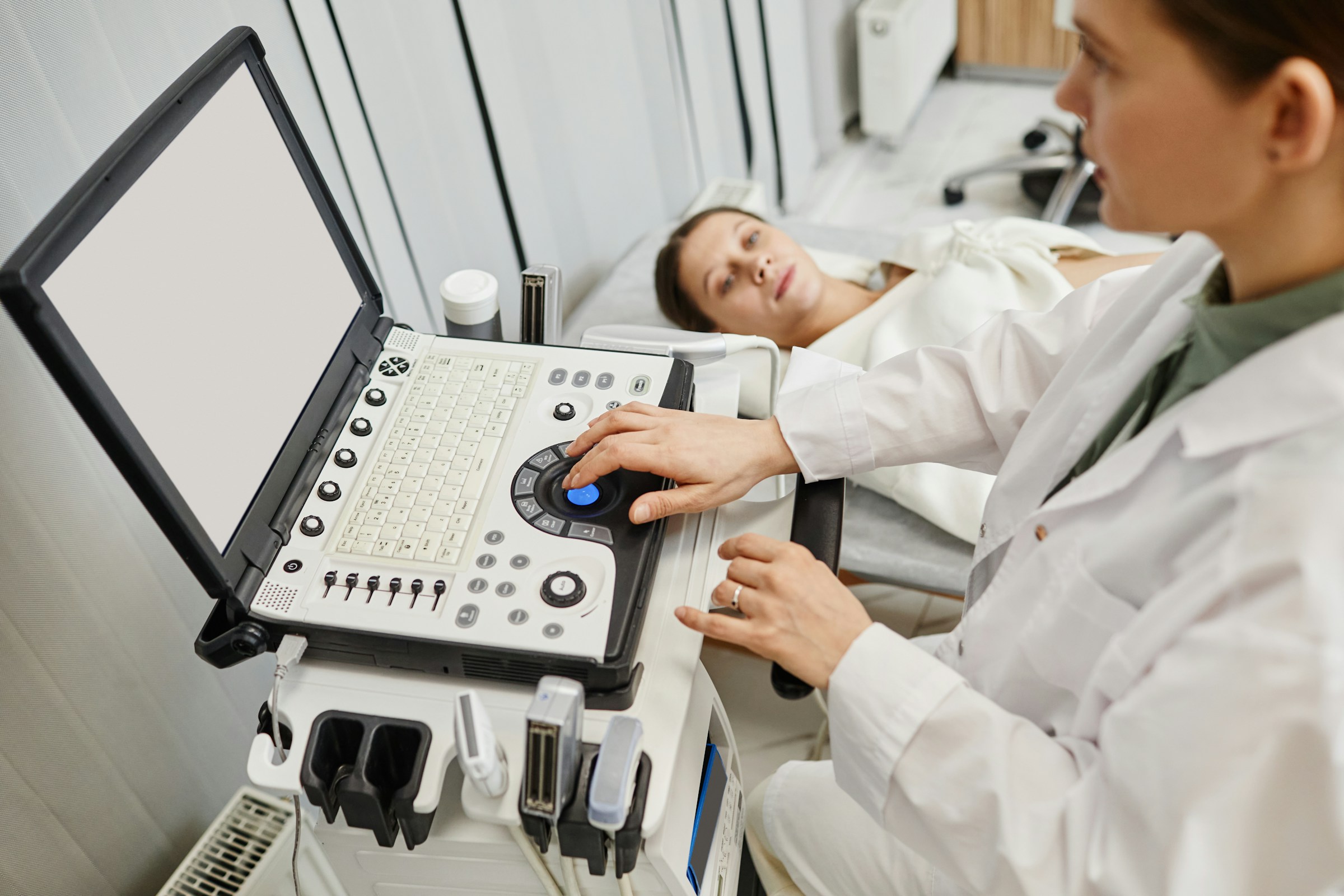
An adenomyosis diagnosis often comes with a wave of questions, and one of the biggest is whether it will affect your ability to have children. The honest answer is: adenomyosis can make conception more challenging, but many patients with adenomyosis go on to have successful pregnancies, often with the help of IVF and a treatment plan tailored to the condition.
What Is Adenomyosis?
Adenomyosis occurs when the tissue that normally lines the uterus (the endometrium) grows into the muscular wall of the uterus itself. This can cause the uterus to become enlarged, thickened, and more prone to inflammation. Common symptoms include heavy or prolonged menstrual bleeding, severe menstrual cramping, and pelvic pain, though some patients have no symptoms at all and are only diagnosed during fertility workups or imaging for other reasons.
How Does Adenomyosis Affect Fertility?
Adenomyosis can impact fertility in several ways:
Impaired implantation - the structural changes to the uterine wall can make it harder for an embryo to implant successfully.
Altered uterine environment - inflammation associated with adenomyosis may affect the receptivity of the uterine lining.
Increased miscarriage risk - some studies suggest a higher rate of early pregnancy loss in patients with adenomyosis compared to those without it.
Coexisting conditions - adenomyosis frequently occurs alongside endometriosis or uterine fibroids, which can compound fertility challenges.
A 2025 study in Human Reproduction examining IVF outcomes in patients with adenomyosis found reduced clinical pregnancy and live birth rates compared to patients without the condition - but pregnancy and live birth were still achieved in a substantial proportion of patients, particularly with individualized protocol adjustments.
A 2022 meta-analysis in Reproduction Sci on adenomyosis and IVF outcomes confirmed the reduced-but-achievable pregnancy pattern seen across multiple studies, reinforcing that individualized protocol adjustments can meaningfully improve outcomes.
Can You Get Pregnant with Adenomyosis?
Yes - many patients with adenomyosis conceive naturally or with fertility treatment, including IVF. The degree of impact varies significantly based on the severity and location of the adenomyosis, whether other fertility factors are present, and how treatment is tailored to the individual. Adenomyosis is a challenge to manage around, not an automatic barrier to pregnancy.
Treatment Approaches for Adenomyosis-Related Infertility
Fertility specialists typically consider a combination of approaches:
- Hormonal suppression before IVF, sometimes used to reduce inflammation and improve the uterine environment ahead of embryo transfer.
- Individualized IVF protocols, adjusting stimulation and transfer timing based on the specific presentation of adenomyosis.
- Frozen embryo transfer (FET), which allows additional time to optimize the uterine lining compared to a fresh transfer immediately following egg retrieval.
- Surgical intervention, considered selectively in specific cases, though it carries its own fertility considerations and is not appropriate for every patient.
- Close monitoring during early pregnancy, given the somewhat elevated miscarriage risk associated with the condition.
Why Individualized Care Matters for Adenomyosis Patients
Adenomyosis varies enormously from patient to patient - in severity, location, and coexisting conditions - which means a standardized IVF protocol often isn't the right approach. Patients tend to see better outcomes when their fertility team treats adenomyosis as a specific clinical factor shaping the treatment plan, rather than applying the same protocol used for patients without uterine abnormalities.
Frequently Asked Questions
Can adenomyosis prevent pregnancy entirely?
No, adenomyosis does not typically prevent pregnancy entirely, though it can reduce natural conception rates and IVF success rates to some degree, depending on severity.
Does adenomyosis increase miscarriage risk?
Some research suggests a somewhat elevated risk of early pregnancy loss in patients with adenomyosis, which is why close monitoring during early pregnancy is often recommended.
Is IVF more successful than natural conception for adenomyosis patients?
For many patients with adenomyosis, IVF - particularly with an individualized protocol and frozen embryo transfer - can improve the odds of a successful pregnancy compared to relying on natural conception alone, though outcomes vary by individual case.
Do I need surgery for adenomyosis before trying to conceive?
Not necessarily. Surgery is considered selectively, based on severity and individual circumstances, and is not the right approach for every patient. Many patients proceed directly to a tailored IVF protocol without surgical intervention.
How is adenomyosis diagnosed?
Adenomyosis is typically diagnosed through pelvic ultrasound or MRI, sometimes discovered during a routine fertility workup rather than through symptoms alone.
Get a Fertility Plan Built Around Your Diagnosis
Adenomyosis affects every patient differently, which means your treatment plan should too. NEFI's team can help you understand your specific situation and build a path toward pregnancy that accounts for it.
Written and reviewed by: Dr. Michael M. Guarnaccia, MD, MPH